
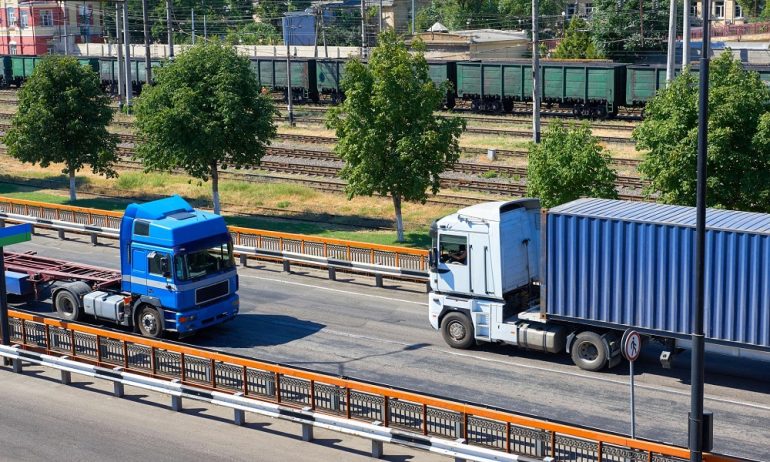
Infrastructure plays a foundational role in industrial growth by supporting production efficiency, supply chain reliability, workforce mobility, and investment attractiveness. Strong infrastructure enables industries to operate smoothly, reduce operational costs, and compete effectively in regional and global markets. Countries and regions with well developed infrastructure systems typically experience faster industrial expansion and stronger economic performance.
Industrial development depends not only on capital investment and labor availability but also on transportation systems, energy supply, digital connectivity, water resources, logistics networks, and policy supported industrial zones. Without these supporting systems, industries face delays, inefficiencies, and increased operating risks.
This article explains how infrastructure supports industrial growth and why it remains essential for long term economic transformation.
Understanding the Role of Infrastructure in Industrial Development
Infrastructure includes physical and organizational systems that support economic activity and industrial operations. It connects production centers to markets, enables access to resources, and supports efficient communication across supply chains.
Industrial infrastructure typically includes:
- transportation networks
- power supply systems
- water and sanitation services
- communication networks
- logistics facilities
- industrial parks and zones
These components collectively create the environment required for sustained industrial productivity.
Transportation Infrastructure Supporting Industrial Expansion
Efficient transportation networks are essential for moving raw materials to factories and delivering finished goods to markets. Reliable transportation reduces delays and improves supply chain coordination.
Key transportation infrastructure elements include:
- highways and expressways
- rail freight corridors
- ports and shipping terminals
- airports supporting cargo transport
- inland logistics hubs
Improved transportation reduces distribution costs and enhances market accessibility. It also allows industries to expand operations beyond local regions.
Regions with strong transport systems attract manufacturing investment because companies prioritize predictable delivery schedules and reliable logistics routes.
Reliable Energy Infrastructure Enhancing Production Capacity
Industrial production depends heavily on uninterrupted energy supply. Electricity shortages or unstable power systems increase operational risk and reduce manufacturing efficiency.
Energy infrastructure supports industrial growth through:
- stable electricity transmission networks
- renewable energy integration systems
- backup generation capacity
- fuel distribution pipelines
- industrial energy management systems
Consistent energy availability allows factories to maintain production schedules and operate advanced machinery without interruption.
Energy reliability also supports automation adoption, which is increasingly important in modern manufacturing environments.
Water Infrastructure Supporting Industrial Operations
Water is essential for several industrial activities including cooling systems, cleaning processes, chemical production, and material treatment operations. Industries such as textiles, pharmaceuticals, food processing, and metallurgy depend heavily on water supply systems.
Effective water infrastructure includes:
- treatment plants
- distribution pipelines
- wastewater recycling systems
- drainage networks
- storage facilities
Reliable water infrastructure improves environmental sustainability while supporting operational continuity.
Industries located near secure water systems often experience lower operational uncertainty and improved production stability.
Digital Infrastructure Enabling Modern Industrial Competitiveness
Digital connectivity is becoming increasingly important for industrial growth. Modern industries rely on communication networks for monitoring systems, automation platforms, supply chain coordination, and remote maintenance operations.
Digital infrastructure supports:
- cloud based production monitoring
- real time logistics tracking
- predictive maintenance systems
- smart manufacturing technologies
- industrial data analytics platforms
Industries with strong digital connectivity can adopt advanced technologies faster and improve decision making efficiency.
Digital infrastructure also supports collaboration between suppliers, manufacturers, and distributors across multiple locations.
Industrial Parks and Economic Zones Supporting Cluster Development
Industrial parks provide organized environments where multiple companies operate within shared infrastructure systems. These zones improve efficiency by reducing setup costs and simplifying regulatory processes.
Industrial parks typically offer:
- pre developed land
- utility connections
- transportation access
- waste management systems
- security infrastructure
Industrial clusters created within these parks improve collaboration among businesses and strengthen supply chain networks.
Shared infrastructure reduces individual company investment requirements while increasing operational efficiency.
Logistics Infrastructure Strengthening Supply Chain Performance
Efficient logistics systems improve material flow between suppliers, manufacturers, and markets. Strong logistics infrastructure reduces inventory delays and improves responsiveness to market demand changes.
Important logistics infrastructure components include:
- warehousing facilities
- freight terminals
- container handling systems
- distribution centers
- cold storage facilities
Improved logistics systems reduce transportation costs and support export oriented industrial strategies.
Reliable logistics also strengthen global trade participation by improving delivery reliability.
Communication Networks Supporting Industrial Coordination
Communication infrastructure improves coordination across industrial operations. It allows organizations to monitor production processes and respond quickly to operational challenges.
Communication systems support:
- remote equipment monitoring
- workforce coordination platforms
- digital documentation systems
- supplier communication networks
- customer service management platforms
Strong communication infrastructure improves transparency across production systems and reduces operational delays.
Infrastructure Supporting Workforce Mobility and Productivity
Industrial growth depends on workforce availability and accessibility. Transportation networks, housing facilities, and urban services influence workforce participation in industrial activities.
Workforce supporting infrastructure includes:
- public transportation systems
- worker housing facilities
- healthcare services
- education and training institutions
- urban support services
Accessible infrastructure improves employee retention and reduces commuting challenges that affect productivity.
Regions with strong workforce infrastructure attract skilled professionals more easily.
Supporting Foreign Investment Through Infrastructure Development
Investors often evaluate infrastructure quality before selecting industrial investment locations. Reliable infrastructure reduces uncertainty and improves long term business planning confidence.
Infrastructure encourages investment by providing:
- predictable logistics systems
- stable energy supply
- regulatory support zones
- communication connectivity
- efficient trade access routes
Investment inflows strengthen industrial ecosystems and promote technology transfer across regions.
Infrastructure Enabling Export Oriented Industrial Growth
Export driven industries rely heavily on transportation, logistics, and port infrastructure. Efficient export systems improve international competitiveness.
Export supporting infrastructure includes:
- container ports
- customs processing facilities
- export inspection systems
- cargo handling equipment
- trade documentation platforms
Strong export infrastructure improves delivery speed and strengthens global market presence.
Countries with advanced port systems often achieve higher manufacturing export performance.
Supporting Small and Medium Industries Through Infrastructure Access
Small and medium sized enterprises benefit significantly from shared infrastructure systems. Access to industrial parks and logistics facilities allows smaller firms to compete with larger companies.
Infrastructure access supports smaller industries through:
- reduced transportation costs
- improved supply chain connectivity
- shared service facilities
- access to training institutions
- improved technology adoption opportunities
Supporting smaller industries strengthens overall industrial ecosystems.
Environmental Infrastructure Supporting Sustainable Industrial Growth
Sustainable industrial growth requires infrastructure that supports environmental protection and responsible resource management.
Environmental infrastructure includes:
- wastewater treatment facilities
- emission monitoring systems
- recycling centers
- renewable energy integration systems
- pollution control networks
Sustainable infrastructure helps industries meet regulatory requirements while protecting natural resources.
Environmentally responsible industries often gain stronger public trust and investor confidence.
Infrastructure Supporting Regional Industrial Balance
Balanced infrastructure development across regions reduces concentration of industries in limited locations. This promotes equitable economic growth and reduces urban congestion pressures.
Regional infrastructure development supports:
- new industrial corridors
- rural manufacturing clusters
- improved intercity logistics connectivity
- workforce mobility expansion
- regional investment attraction
Balanced infrastructure encourages diversified economic growth across multiple regions.
Government Policy Supporting Infrastructure Development
Government investment plays a major role in infrastructure expansion. Public infrastructure initiatives create the foundation for private sector industrial activity.
Policy support typically includes:
- transportation corridor development programs
- industrial zone planning initiatives
- energy grid expansion projects
- digital connectivity improvements
- logistics modernization strategies
Public infrastructure investment often stimulates long term industrial expansion.
Long Term Economic Benefits of Strong Industrial Infrastructure
Infrastructure development strengthens industrial competitiveness over time by improving efficiency and reducing production risks.
Long term benefits include:
- increased employment opportunities
- stronger export performance
- improved productivity levels
- enhanced investment attractiveness
- diversified industrial growth
Infrastructure remains one of the most important drivers of sustainable industrial transformation.
Conclusion
Infrastructure plays a central role in supporting industrial growth by enabling efficient transportation, stable energy supply, reliable communication networks, and strong logistics performance. It improves workforce accessibility, attracts investment, strengthens export capacity, and supports technological advancement across industries. Regions that prioritize infrastructure development create environments where industries can expand confidently and contribute to long term economic progress. Sustainable infrastructure planning ensures that industrial growth remains resilient, competitive, and environmentally responsible.
Frequently Asked Questions
How does infrastructure influence industrial location decisions
Companies often choose industrial locations based on transportation access, energy reliability, workforce availability, and logistics connectivity provided by local infrastructure systems.
Why is digital infrastructure becoming essential for industrial growth
Digital infrastructure supports automation systems, real time monitoring platforms, supply chain tracking tools, and communication networks that improve operational efficiency.
What role do industrial corridors play in economic development
Industrial corridors connect production zones with transportation networks and logistics hubs, improving investment opportunities and strengthening regional industrial activity.
How does infrastructure support manufacturing exports
Efficient ports, customs systems, cargo facilities, and logistics centers improve delivery speed and reliability, helping manufacturers compete in international markets.
Can infrastructure development reduce regional economic inequality
Yes. Expanding infrastructure into less developed regions supports new industrial investments and creates employment opportunities outside major cities.
How does infrastructure affect industrial productivity levels
Reliable infrastructure reduces delays, improves resource availability, and supports efficient coordination across supply chains, which increases productivity.
What challenges do countries face when developing industrial infrastructure
Common challenges include funding limitations, land acquisition issues, environmental compliance requirements, coordination complexity, and long implementation timelines.