
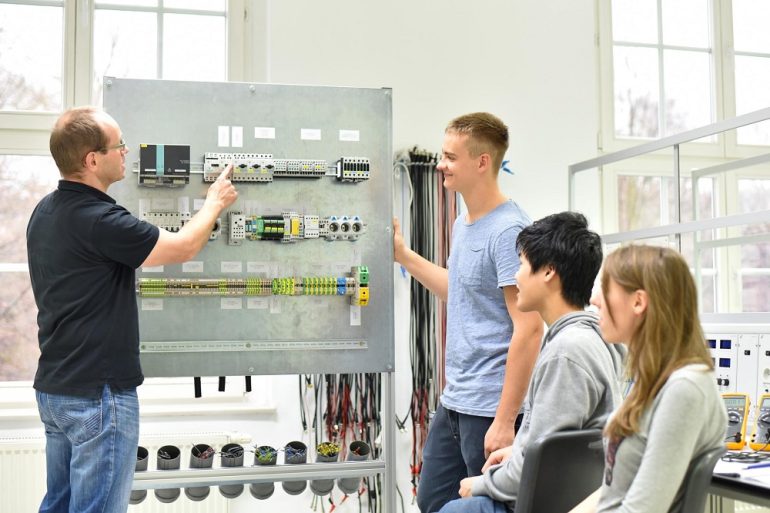
Industrial training programs play a critical role in preparing employees to meet the technical and operational demands of modern workplaces. As industries adopt automation, digital systems, and advanced manufacturing processes, organizations must ensure that employees continuously upgrade their capabilities. Structured training programs help workers build relevant skills, improve performance, and adapt to changing technologies.
Organizations that invest in workforce development through industrial training programs experience stronger productivity, improved safety outcomes, and greater operational efficiency. These programs also support employee retention by creating clear pathways for professional growth.
Understanding the Purpose of Industrial Training Programs
Industrial training programs are structured learning initiatives designed to improve technical knowledge, operational competence, and workplace readiness. They help employees perform tasks more efficiently while supporting organizational competitiveness.
These programs typically focus on:
- Technical skill development
- equipment operation proficiency
- safety compliance awareness
- quality control practices
- teamwork and communication skills
- digital system adoption
Training ensures employees remain capable of meeting both current and future industry requirements.
Why Workforce Skill Development Matters in Modern Industries
Rapid technological change is reshaping industries such as manufacturing, logistics, construction, energy, and healthcare support services. Workers must adapt to automation systems, digital tools, and evolving regulatory standards.
Skill development supports organizations by:
- improving production accuracy
- reducing operational errors
- strengthening workplace safety
- increasing innovation capacity
- enhancing service delivery quality
A skilled workforce allows organizations to remain competitive in fast changing markets.
Types of Industrial Training Programs
Industrial training programs vary depending on industry needs, workforce structure, and technology adoption levels. Organizations often combine multiple training approaches to achieve the best outcomes.
Technical Skills Training
Technical training focuses on building job specific competencies required for operating machinery and systems.
Examples include:
- machine handling techniques
- maintenance procedures
- equipment calibration
- production monitoring systems
- automation platform operation
Technical expertise improves performance reliability across operations.
Safety Training Programs
Safety training protects employees while ensuring compliance with regulatory requirements. It is one of the most essential components of industrial workforce development.
Safety training commonly includes:
- hazard identification practices
- emergency response procedures
- equipment handling safety
- workplace inspection routines
- protective equipment usage
Organizations that prioritize safety training reduce workplace incidents significantly.
Digital Skills Training
Digital transformation requires workers to interact with software systems and data platforms more frequently than ever before.
Digital training supports:
- industrial software usage
- data monitoring systems
- digital maintenance platforms
- inventory tracking systems
- automation interfaces
Employees who understand digital systems contribute more effectively to modern operations.
Soft Skills Development Programs
Industrial environments increasingly require communication and teamwork capabilities alongside technical competence.
Soft skills training strengthens:
- problem solving abilities
- communication clarity
- teamwork coordination
- leadership readiness
- conflict resolution skills
These capabilities improve collaboration across departments.
Benefits of Industrial Training Programs for Organizations
Organizations that implement structured training programs experience measurable improvements across multiple performance areas.
Key organizational benefits include:
- increased productivity levels
- reduced equipment downtime
- improved product quality consistency
- stronger safety compliance
- faster technology adoption
- higher employee retention rates
Training investments often generate long term operational advantages.
Benefits of Industrial Training Programs for Employees
Industrial training programs also support individual career growth and professional confidence.
Employees benefit through:
- improved technical expertise
- expanded career opportunities
- stronger job security
- increased earning potential
- greater workplace confidence
- enhanced adaptability to change
Workers who receive training feel more engaged and motivated in their roles.
Apprenticeship Based Industrial Training Models
Apprenticeship programs combine classroom learning with practical workplace experience. They provide structured pathways for developing technical expertise over time.
Apprenticeship programs typically include:
- supervised practical learning sessions
- progressive skill development stages
- competency based evaluations
- mentor guided training support
- certification opportunities
These programs help organizations develop skilled professionals internally.
On the Job Training Approaches in Industrial Environments
On the job training allows employees to learn while performing actual tasks within their work environment.
Advantages of this approach include:
- immediate application of knowledge
- faster learning cycles
- practical problem solving exposure
- improved equipment familiarity
- stronger confidence development
This method is especially effective for operational roles requiring hands on experience.
Classroom Based Industrial Training Programs
Classroom training provides theoretical knowledge that supports practical skill development.
Common classroom training topics include:
- production planning principles
- equipment operation theory
- safety regulations
- quality assurance frameworks
- workflow management techniques
Combining classroom instruction with practical training strengthens learning outcomes.
Simulation Based Training for Complex Industrial Tasks
Simulation training uses digital environments to replicate real workplace conditions. It allows employees to practice procedures safely before applying them in operational settings.
Simulation training helps employees:
- understand complex systems
- practice emergency responses
- learn equipment operation sequences
- reduce error risks
- improve decision making accuracy
Simulation environments enhance learning without exposing workers to operational hazards.
Role of Technology in Modern Industrial Training Programs
Technology has transformed workforce training by improving accessibility and learning efficiency.
Organizations increasingly use:
- virtual training platforms
- mobile learning applications
- digital manuals and tutorials
- remote instructor sessions
- interactive learning modules
Technology supported training improves consistency across locations.
Industry Collaboration in Workforce Training Development
Many organizations collaborate with training institutions and technical education providers to strengthen workforce development initiatives.
Collaborative programs support:
- curriculum alignment with industry needs
- certification standard development
- access to advanced training facilities
- internship opportunities
- specialized instructor expertise
Partnerships improve the quality of workforce preparation.
Leadership Support in Industrial Training Implementation
Leadership commitment plays a critical role in the success of training initiatives. Without management support, programs often fail to achieve intended outcomes.
Effective leadership involvement includes:
- allocating training resources
- encouraging employee participation
- tracking training performance metrics
- supporting skill certification pathways
- promoting continuous learning culture
Leadership engagement strengthens program effectiveness.
Measuring the Effectiveness of Industrial Training Programs
Organizations must evaluate whether training programs deliver measurable improvements in workforce capability.
Common evaluation methods include:
- productivity performance comparisons
- safety incident reduction tracking
- employee skill assessment results
- equipment downtime analysis
- quality improvement indicators
Data driven evaluation ensures continuous program improvement.
Addressing Skill Gaps Through Targeted Training Programs
Skill gap identification helps organizations design training programs that address specific workforce weaknesses.
Skill gap assessments often involve:
- performance reviews
- supervisor feedback
- employee self evaluations
- production error analysis
- technology adoption challenges
Targeted training improves workforce readiness more efficiently.
Supporting Workforce Adaptation During Technological Change
Technological innovation continues to reshape industrial operations. Training programs help employees remain confident and capable during transitions.
Adaptation focused training supports:
- automation system integration
- digital monitoring adoption
- robotics interaction procedures
- predictive maintenance platforms
- smart manufacturing techniques
Continuous learning ensures employees remain valuable contributors.
Building Long Term Workforce Development Strategies
Industrial training programs are most effective when integrated into long term workforce planning strategies.
Organizations strengthen development strategies by:
- identifying future skill requirements
- aligning training with business objectives
- investing in instructor development
- supporting certification pathways
- evaluating emerging technology needs
Long term planning ensures workforce sustainability.
Encouraging Employee Participation in Training Programs
Training programs succeed when employees actively engage in learning opportunities.
Organizations can encourage participation by:
- recognizing training achievements
- offering career advancement incentives
- providing flexible learning schedules
- supporting mentorship relationships
- creating structured learning pathways
Participation increases program impact significantly.
Conclusion
Industrial training programs strengthen workforce capability by developing technical expertise, improving safety awareness, and supporting adaptation to evolving technologies. Organizations that invest in structured training initiatives build stronger operational performance and create opportunities for employee career growth. As industries continue to change, continuous workforce development remains essential for maintaining productivity, competitiveness, and long term organizational success.
Frequently Asked Questions
How do industrial training programs support employee retention
Training programs increase employee satisfaction by offering career growth opportunities and improving confidence in workplace responsibilities.
What industries benefit most from structured industrial training programs
Manufacturing, construction, logistics, energy production, transportation, and maintenance services benefit significantly from workforce training initiatives.
How often should industrial training programs be updated
Training programs should be reviewed regularly to reflect technology changes, safety regulations, and evolving operational requirements.
Can small organizations implement effective industrial training programs
Yes. Smaller organizations can provide targeted on the job training, mentorship programs, and partnerships with local training institutions.
What role do certifications play in industrial workforce development
Certifications validate employee competence and improve career advancement opportunities while strengthening organizational credibility.
How does industrial training improve workplace safety performance
Training helps employees recognize hazards, follow safety procedures correctly, and respond effectively during emergency situations.
What challenges do organizations face when implementing industrial training programs
Common challenges include limited training resources, scheduling constraints, employee resistance to change, and difficulty measuring program effectiveness.