
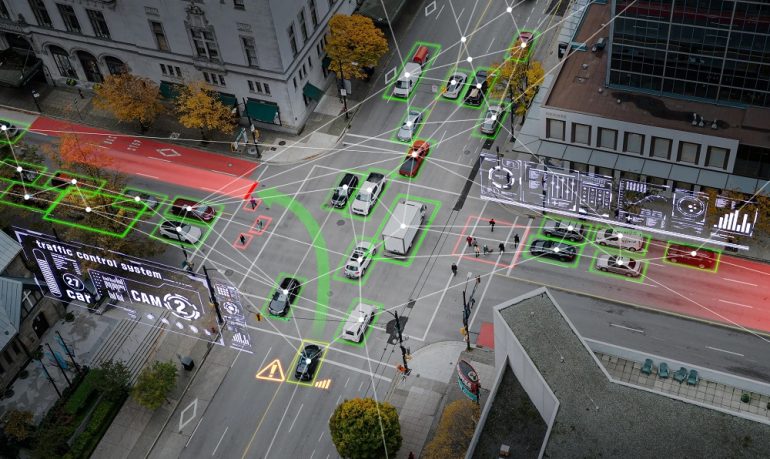
Smart cities depend on intelligent infrastructure capable of processing data quickly and responding to real time conditions. Edge artificial intelligence has become a central technology supporting this transformation. Instead of sending all data to centralized cloud systems, edge AI enables processing closer to where data is generated. This approach improves response speed, reduces bandwidth requirements, and strengthens system reliability across urban environments.
As cities expand their use of connected sensors, intelligent transportation systems, public safety networks, and energy management platforms, edge AI continues to reshape how urban infrastructure operates. Its evolution reflects broader changes in computing architecture, connectivity technologies, and municipal planning priorities.
This article explains how edge AI has developed across smart city infrastructure and why it is becoming essential for modern urban systems.
Understanding Edge AI in the Smart City Context
Edge AI refers to artificial intelligence systems that process data locally near the source rather than relying entirely on centralized servers. In smart city environments, this typically means processing data within devices such as cameras, sensors, traffic controllers, and embedded gateways.
Edge AI supports urban infrastructure by enabling:
- faster decision making
- reduced network congestion
- improved operational reliability
- enhanced privacy protection
- lower latency communication
Processing data closer to its origin allows cities to respond more effectively to real time conditions.
Early Smart City Systems Before Edge AI Adoption
Before edge AI technologies became widely available, smart city infrastructure depended heavily on centralized data processing platforms. Sensors collected information and transmitted it to cloud based servers for analysis and response coordination.
Although this model supported large scale data storage and analysis, it introduced several challenges:
- communication delays during high traffic conditions
- increased network bandwidth usage
- higher operational costs
- limited real time responsiveness
These limitations encouraged the development of distributed computing solutions capable of supporting faster decision making at the infrastructure level.
Emergence of Edge Computing Foundations in Urban Systems
Edge computing emerged as a response to growing data volumes generated by connected urban devices. Municipal systems began shifting some processing responsibilities closer to field equipment rather than relying entirely on central servers.
This shift supported improvements in:
- traffic signal optimization
- environmental monitoring systems
- surveillance analytics
- smart lighting networks
- emergency response coordination
Edge computing laid the foundation for the integration of artificial intelligence capabilities directly within infrastructure devices.
Integration of Artificial Intelligence with Edge Infrastructure
The introduction of embedded AI processing capabilities transformed edge computing into edge AI. Infrastructure devices gained the ability to analyze data locally and respond automatically without waiting for centralized instructions.
This development allowed cities to deploy intelligent systems capable of:
- recognizing traffic congestion patterns
- detecting safety risks
- adjusting lighting conditions dynamically
- monitoring environmental changes continuously
- optimizing energy consumption in real time
These capabilities improved operational efficiency across multiple urban services.
Role of Edge AI in Smart Transportation Systems
Transportation networks represent one of the most visible applications of edge AI in smart city infrastructure. Real time decision making improves traffic flow and enhances road safety.
Edge AI supports transportation systems through:
- adaptive traffic signal control
- pedestrian detection systems
- incident monitoring capabilities
- public transit scheduling optimization
- parking availability tracking
Local processing enables faster responses to changing traffic conditions without relying on centralized communication systems.
Enhancing Public Safety Through Edge AI Deployment
Public safety infrastructure benefits significantly from edge AI technologies. Intelligent surveillance systems can analyze video streams locally and identify potential risks more efficiently.
Edge AI supports public safety by enabling:
- real time incident detection
- crowd monitoring capabilities
- emergency response coordination
- perimeter security monitoring
- infrastructure safety inspections
Local analytics improve response speed during critical situations.
Supporting Smart Energy Management Systems
Energy efficiency remains a priority for modern cities seeking to reduce environmental impact and operating costs. Edge AI improves energy management by analyzing consumption patterns directly within infrastructure components.
Applications include:
- intelligent street lighting adjustment
- smart grid monitoring systems
- renewable energy integration management
- building energy optimization platforms
- demand response coordination systems
These capabilities support sustainable urban development strategies.
Environmental Monitoring and Urban Sustainability Applications
Smart cities increasingly rely on environmental monitoring systems to track air quality, noise levels, and water conditions. Edge AI enables local processing of sensor data, allowing faster responses to environmental changes.
Environmental applications include:
- air quality measurement systems
- flood risk monitoring networks
- waste management optimization platforms
- urban heat mapping systems
- water quality monitoring infrastructure
Real time environmental monitoring supports healthier urban living conditions.
Role of Edge AI in Intelligent Street Infrastructure
Street infrastructure represents a critical layer of smart city operations. Edge AI enhances functionality by enabling adaptive responses to changing urban activity patterns.
Examples include:
- adaptive street lighting systems
- smart pedestrian crossing assistance
- infrastructure condition monitoring sensors
- connected traffic signage networks
These systems improve both safety and operational efficiency across city streets.
Supporting Real Time Urban Data Processing
Smart cities generate large volumes of data from sensors and connected infrastructure. Edge AI allows cities to process this information efficiently without overwhelming central servers.
Local processing supports:
- faster event detection
- reduced communication delays
- improved infrastructure reliability
- enhanced service coordination
- lower network bandwidth usage
Efficient data processing improves responsiveness across municipal systems.
Strengthening Privacy Protection Through Local Data Processing
Privacy concerns remain an important consideration in smart city development. Edge AI helps address these concerns by reducing the need to transmit sensitive data to centralized platforms.
Privacy improvements include:
- local video analytics processing
- reduced personal data transmission
- improved compliance with data protection regulations
- stronger citizen trust in smart infrastructure systems
Privacy aware infrastructure supports broader public acceptance of smart city technologies.
Enabling Scalable Smart City Infrastructure Deployment
As cities expand their digital infrastructure, scalability becomes essential. Edge AI allows municipalities to deploy intelligent systems incrementally without overwhelming central processing platforms.
Scalability benefits include:
- distributed computing flexibility
- modular infrastructure expansion
- reduced dependency on centralized systems
- improved resilience during network disruptions
Scalable systems support long term urban growth planning.
Supporting Emergency Response Coordination Systems
Emergency response systems benefit from rapid decision making supported by edge AI technologies. Infrastructure devices can detect incidents and trigger alerts without waiting for central system confirmation.
Applications include:
- disaster monitoring systems
- fire detection infrastructure
- traffic incident response coordination
- public alert communication platforms
- infrastructure failure detection systems
These capabilities improve response speed during emergencies.
Role of 5G Connectivity in Accelerating Edge AI Adoption
High speed connectivity technologies have accelerated the deployment of edge AI systems across urban infrastructure networks. Faster communication supports more advanced processing capabilities within distributed environments.
5G connectivity enables:
- improved sensor network coordination
- faster infrastructure communication
- support for autonomous mobility systems
- enhanced public safety monitoring
- improved remote infrastructure management
Connectivity improvements strengthen the performance of edge AI platforms.
Supporting Smart Building Integration Within City Infrastructure
Smart buildings form an important component of modern urban ecosystems. Edge AI enables buildings to interact more effectively with city infrastructure networks.
Applications include:
- energy usage optimization systems
- occupancy monitoring platforms
- predictive maintenance systems
- environmental comfort control systems
- security monitoring integration
Integrated building systems improve overall urban efficiency.
Addressing Infrastructure Reliability Challenges Through Edge AI
Distributed intelligence improves infrastructure reliability by allowing systems to continue operating even when central networks experience interruptions.
Reliability improvements include:
- localized decision making capability
- reduced dependency on centralized servers
- improved system redundancy
- faster recovery from communication disruptions
Reliable infrastructure supports continuous city service delivery.
Future Directions of Edge AI in Smart City Development
Edge AI continues to evolve as computing hardware becomes more efficient and connectivity technologies improve. Future developments will likely expand the role of distributed intelligence across additional infrastructure domains.
Emerging directions include:
- autonomous transportation coordination systems
- predictive infrastructure maintenance platforms
- advanced environmental monitoring networks
- intelligent urban planning analytics systems
- adaptive public service delivery platforms
These innovations will strengthen the capabilities of next generation smart cities.
Conclusion
The evolution of edge AI across smart city infrastructure reflects a broader shift toward distributed intelligence and real time decision making within urban environments. By enabling faster processing, improving privacy protection, strengthening infrastructure reliability, and supporting scalable deployment strategies, edge AI plays a central role in modern city development. As municipalities continue expanding connected infrastructure systems, edge AI will remain essential for improving efficiency, sustainability, and responsiveness across urban services.
Frequently Asked Questions
How does edge AI differ from cloud based artificial intelligence in smart cities
Edge AI processes data locally near sensors and infrastructure devices, while cloud based systems rely on centralized servers for analysis and decision making.
Why is low latency important for smart city infrastructure systems
Low latency allows infrastructure systems to respond quickly to changing conditions such as traffic congestion or emergency situations.
Can edge AI reduce operational costs for municipalities
Yes. Local processing reduces data transmission requirements and improves infrastructure efficiency, which can lower long term operational costs.
What industries support edge AI deployment in smart cities
Industries including telecommunications, transportation technology providers, infrastructure engineering firms, and software developers contribute to edge AI deployment.
How does edge AI support sustainability goals in urban environments
Edge AI improves energy efficiency, supports environmental monitoring, and enables intelligent resource management across infrastructure systems.
Are edge AI systems secure for use in public infrastructure networks
Edge AI systems can improve security by processing sensitive information locally and reducing dependence on centralized data transmission.
What challenges do cities face when implementing edge AI infrastructure
Challenges include integration complexity, investment requirements, workforce training needs, interoperability issues, and long term maintenance planning.